
Sustainable interior design Dubai ideas represent a conscious effort to create aesthetically pleasing and functional spaces while minimizing environmental impact. It works by incorporating eco-friendly materials, energy-efficient lighting, and resource conservation strategies to reduce carbon footprints and promote healthier living environments.
The main benefits of sustainable interior design include reduced energy consumption, improved indoor air quality, minimized waste, and enhanced property value. By prioritizing environmental responsibility, it creates spaces that are not only beautiful but also contribute to a healthier planet.
Sustainable interior design finds applications in residential, commercial, and hospitality spaces. It can be used to renovate existing structures or design new builds, incorporating elements like natural light optimization and smart home technology for energy management.
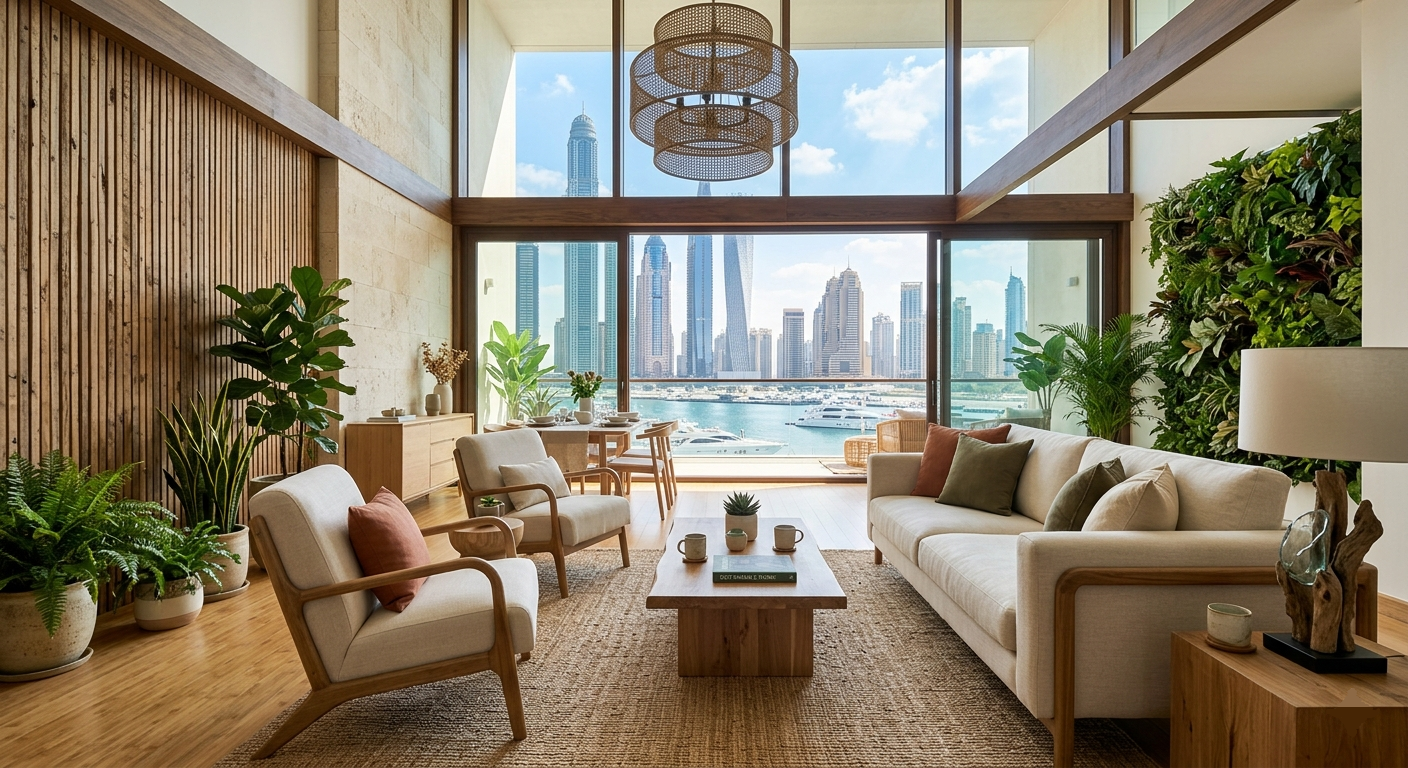
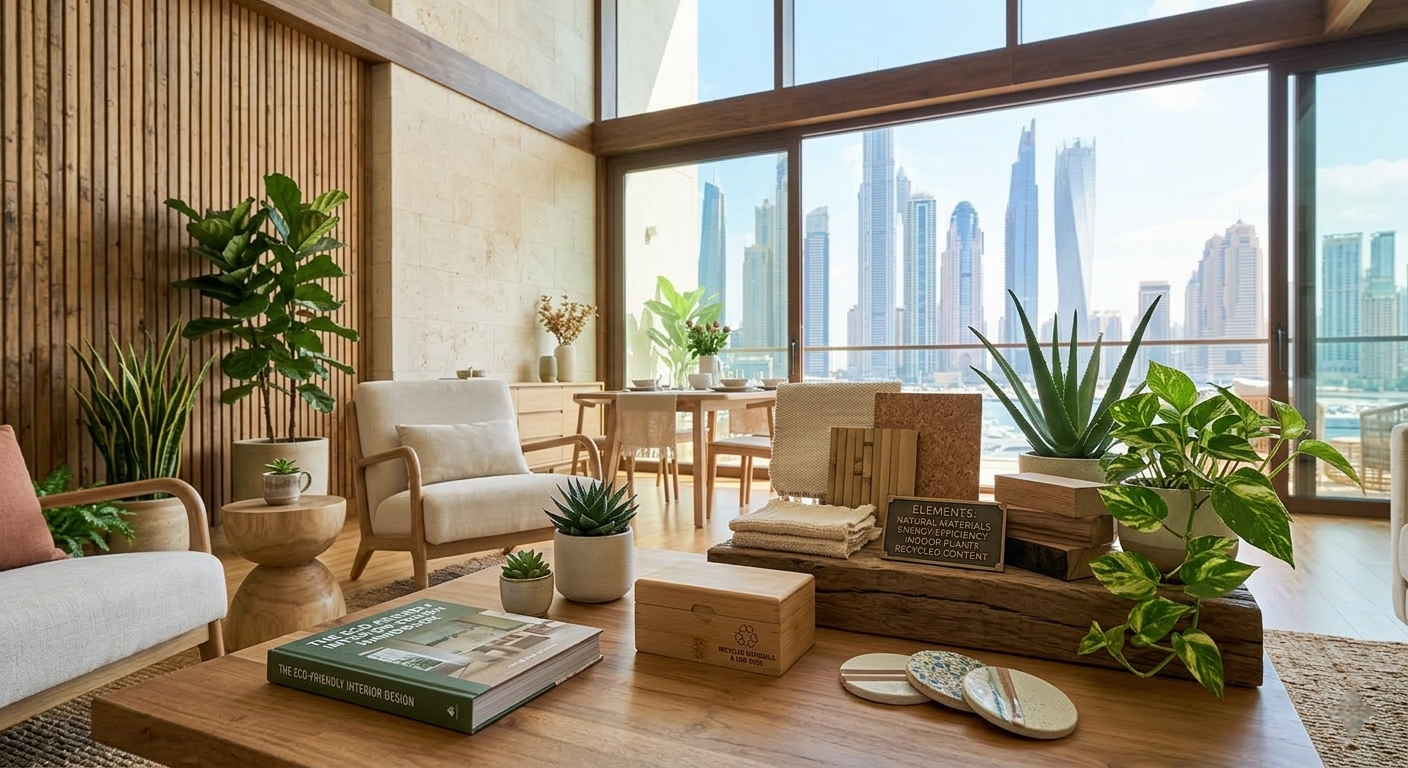
The main components of sustainable interior design encompass eco-friendly materials like bamboo flooring and reclaimed wood, energy-efficient lighting solutions such as LED lighting, water-saving fixtures, indoor plants and green walls, eco-friendly furniture, smart home technology for energy management, and non-toxic finishes and paints. These elements work together to create spaces that are both sustainable and stylish.
Understanding the Shift Towards Sustainability
Historical Context and Modern Influences
The shift towards sustainability in Dubai’s interior design scene is rooted in a growing global awareness of environmental issues and a desire for healthier living spaces. Historically, traditional Emirati architecture incorporated natural materials and passive cooling techniques to adapt to the desert climate. Modern influences, including LEED Certification and WELL building standards, have further propelled the adoption of sustainable practices. This blend of tradition and innovation is shaping a unique approach to eco-friendly interior design in Dubai.
Government Initiatives and Policy Impact
Government initiatives and policies play a crucial role in promoting sustainable interior design in Dubai. The Dubai government has launched several initiatives aimed at reducing carbon footprints and promoting green building practices. These include regulations that encourage the use of sustainable materials, energy-efficient lighting, and water-saving fixtures in new construction and renovation projects. The policies impact the design industry by creating incentives for design firms to prioritize environmental responsibility and adopt innovative sustainable solutions.
The Fundamentals of Sustainable Interior Design
Energy Efficiency and Eco-Friendly Materials
Energy efficiency is a cornerstone of sustainable interior design. It involves reducing energy consumption through strategies like LED lighting, motion sensors, and solar-powered solutions. Eco-friendly materials, such as bamboo flooring and reclaimed wood, enhance durability while minimizing carbon footprints. These materials are often locally sourced, further reducing transportation emissions and supporting local industries.
Maximizing Natural Resources and Indoor Environmental Quality
Maximizing natural resources, such as natural light, is crucial for reducing reliance on artificial lighting and creating healthier indoor environments. Large windows, skylights, and light-coloured interiors can amplify natural light. Indoor environmental quality is enhanced by using non-toxic finishes and paints, ensuring good ventilation, and incorporating indoor plants to purify the air.
Key Elements of Eco-Friendly Interior Design
Sustainable Materials
Sustainable materials are the foundation of eco-friendly interior design. They include renewable resources like bamboo, recycled materials like reclaimed wood and recycled glass, and durable materials like natural stone. The goal is to minimize environmental impact by choosing materials with low carbon footprints and long lifecycles.
Energy-Efficient Lighting
Energy-efficient lighting, such as LED lighting, consumes up to 80% less energy than traditional bulbs. Motion sensors and dimmers provide better control, ensuring that lights are only used when needed. Natural light optimization through large windows and skylights further reduces energy consumption and creates brighter, fresher homes.
Water-Saving Fixtures
Water-saving fixtures are essential for conserving water in a desert city like Dubai. Low-flow faucets and showerheads, dual-flush toilets, and water-efficient appliances can significantly reduce water consumption without compromising comfort. Smart plumbing systems monitor water usage and detect leaks, helping to further conserve this precious resource.
Indoor Plants and Green Walls
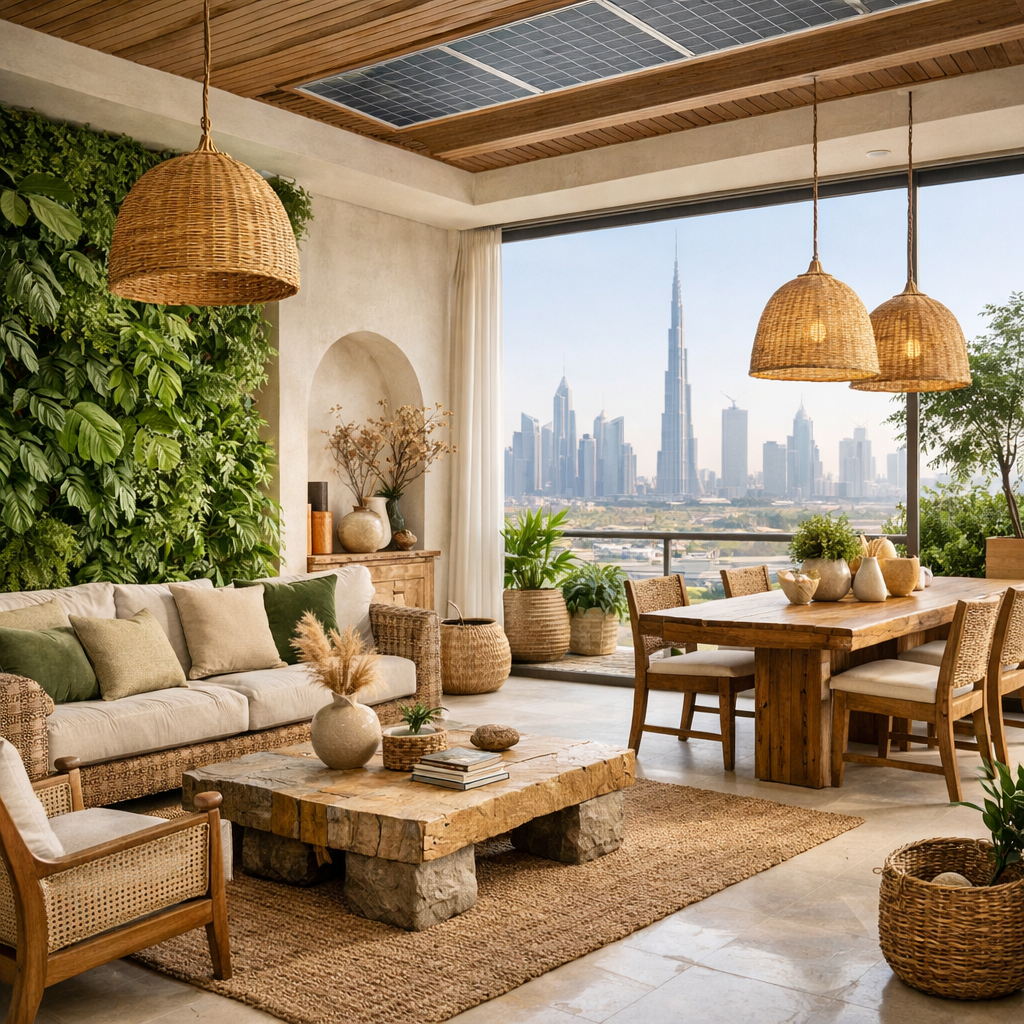
Indoor plants and green walls not only improve air quality but also create a calming atmosphere. Plants absorb carbon dioxide and filter common household pollutants. Vertical gardens and plant selections like snake plants and peace lilies add a functional, sustainable touch to living rooms, balconies, and kitchens.
Eco-Friendly Furniture
Eco-friendly furniture options include custom-made furniture using reclaimed wood or bamboo, multi-functional designs that save space, and locally crafted pieces that reduce transportation emissions. Choosing responsibly sourced materials and supporting local artisans contributes to a more sustainable and unique home.
Smart Home Technology for Energy Management
Smart home technology integrates seamlessly with eco-friendly interior design to ensure efficiency. Smart thermostats regulate AC usage, automated blinds optimize natural light and cooling, and energy monitoring systems help track electricity and water use. This balance between technology and sustainability makes homes modern, comfortable, and eco-conscious.
Non-Toxic Finishes and Paints
Non-toxic finishes and paints are crucial for maintaining healthy indoor air quality. Conventional paints and finishes often release volatile organic compounds (VOCs), which can harm indoor air quality. Switching to eco-friendly paints, adhesives, and finishes ensures a toxin-free home. Look for certifications like LEED, Greenguard, or EcoLabel when choosing products.
Top Eco-Friendly Interior Design Ideas
Natural Light & Energy Efficiency
Maximizing Sunlight in Dubai Villas
Maximizing sunlight in Dubai villas involves strategic design solutions to capitalize on the abundant sunshine. This includes well-positioned skylights that transform dark spaces into bright areas and large floor-to-ceiling windows that blur the boundaries between indoor and outdoor spaces.
Strategic Design Solutions
Strategic design solutions include using light-coloured interiors to act as natural light amplifiers. White, cream, and soft grey walls reflect sunlight deeper into rooms, reducing the need for artificial lighting during the day.
Energy-Efficient Systems
Energy-efficient systems, such as smart lighting systems, learn daily patterns and adjust automatically, ensuring energy is not wasted on empty rooms. LED systems paired with smart controls create the perfect balance of convenience and sustainability.
Choosing Eco-Friendly Materials
Understanding Sustainable Design
Understanding sustainable design involves a thoughtful approach to creating beautiful spaces that minimize environmental impact while maximizing longevity. It’s about making informed choices that align with both aesthetic preferences and environmental values.
Climate-Appropriate Materials
Climate-appropriate materials are essential for durability in Dubai’s intense heat. Choose ceramic tiles that resist heat expansion, sealed natural stone, and UV-resistant fabrics for longevity. Reclaimed wood brings character and history to modern villa spaces, while bamboo offers rapid growth and superior moisture resistance.
Indoor Plants & Green Walls
Air Quality and Aesthetic Benefits
Indoor plants are nature’s air purification systems, essential for maintaining healthy air quality in Dubai’s climate-controlled environments. Plants absorb carbon dioxide while filtering common household pollutants.
Vertical Gardens and Plant Selection
Vertical gardens maximize greenery in minimal floor space, perfect for Dubai villas where every square foot is valuable. Successful Dubai-appropriate varieties include snake plants, ZZ plants, pothos, and rubber trees.
Water-Saving Fixtures & Smart Plumbing
Water Conservation Importance
Water conservation is of special significance in Dubai’s desert environment. Eco-friendly interior design recognizes that luxury doesn’t require waste; sophisticated luxury uses resources thoughtfully and efficiently.
Modern Efficient Fixtures
Modern efficient fixtures include low-flow fixtures that provide excellent water pressure while using significantly less water. Dual-flush toilets offer options for different waste types, ensuring optimal water use.
Eco-Luxury Spaces
Eco-luxury spaces combine spa-like experiences with responsible resource use. Rainfall showerheads with flow restrictors provide abundant water sensation while conserving it. In kitchens, efficient faucets with pull-out sprayers provide targeted water delivery.
Eco-Friendly Furniture & Décor Choices
Responsibly Sourced Materials
Quality furniture from responsibly sourced materials represents true luxury, with pieces lasting decades while supporting sustainable practices. Look for FSC certifications verifying responsible sourcing.
Upcycling and Professional Guidance
Upcycling transforms existing furniture into fresh, personalized pieces reflecting unique style. Professional interior designers in Dubai bring expertise in both sustainability and style, ensuring eco-friendly choices contribute to cohesive, sophisticated design.
Incorporate Recycled and Upcycled Materials
Using recycled and upcycled materials is a great way to add unique character to your space while reducing waste. This can include furniture made from reclaimed wood, decorative items made from recycled glass, or art pieces created from upcycled materials.
Invest in Energy-Efficient Appliances
Investing in energy-efficient appliances is crucial for reducing energy consumption. Look for appliances with high energy ratings, such as refrigerators, washing machines, and dishwashers, that use less electricity and water.
Choose Sustainable Fabrics and Textiles
Choosing sustainable fabrics and textiles for upholstery, curtains, and bedding can significantly reduce your environmental impact. Opt for organic cotton, linen, hemp, and bamboo fabrics, which are grown without harmful pesticides and chemicals.
Maximize Natural Lighting and Ventilation
Maximizing natural lighting and ventilation can reduce the need for artificial lighting and air conditioning, saving energy and improving indoor air quality. Use large windows, skylights, and light-coloured walls to maximize natural light, and ensure proper ventilation through windows and doors.
Use Eco-Friendly Paints and Finishes
Using eco-friendly paints and finishes is essential for maintaining healthy indoor air quality. Choose paints and finishes that are low in VOCs (volatile organic compounds) and made from natural ingredients.
Select Sustainable and Multifunctional Furniture
Selecting sustainable and multifunctional furniture can save space and reduce the need for multiple pieces of furniture. Opt for furniture made from sustainable materials, such as bamboo or reclaimed wood, and choose pieces that can serve multiple purposes, such as sofa beds or storage ottomans.
Accessorize with Sustainable and Local Décor
Accessorizing with sustainable and local décor can add personality to your space while supporting local artisans and reducing transportation emissions. Look for handmade items, vintage pieces, and décor made from recycled materials.
Leading Figures and Innovations in Dubai’s Eco-Friendly Design
Profiles of Pioneering Designers
Dubai’s eco-friendly design movement is driven by pioneering designers who are committed to sustainability and innovation. These designers are pushing the boundaries of traditional design practices and creating spaces that are both environmentally responsible and aesthetically pleasing.
Innovative Techniques and Solutions
Innovative techniques and solutions in Dubai’s eco-friendly design include the use of desert-adapted material palettes, biophilic design oases, locally sourced innovations, and energy-efficient cooling strategies. These techniques and solutions are tailored to Dubai’s unique climate and cultural context.
Applying Eco-Friendly Design to Different Spaces
Residential Spaces: Incorporating Sustainability at Home
Incorporating sustainability at home involves making eco-conscious choices in every aspect of interior design, from materials and lighting to furniture and décor. This can include using recycled materials, investing in energy-efficient appliances, and maximizing natural light and ventilation.
Commercial Spaces: Eco-Friendly Design in Business
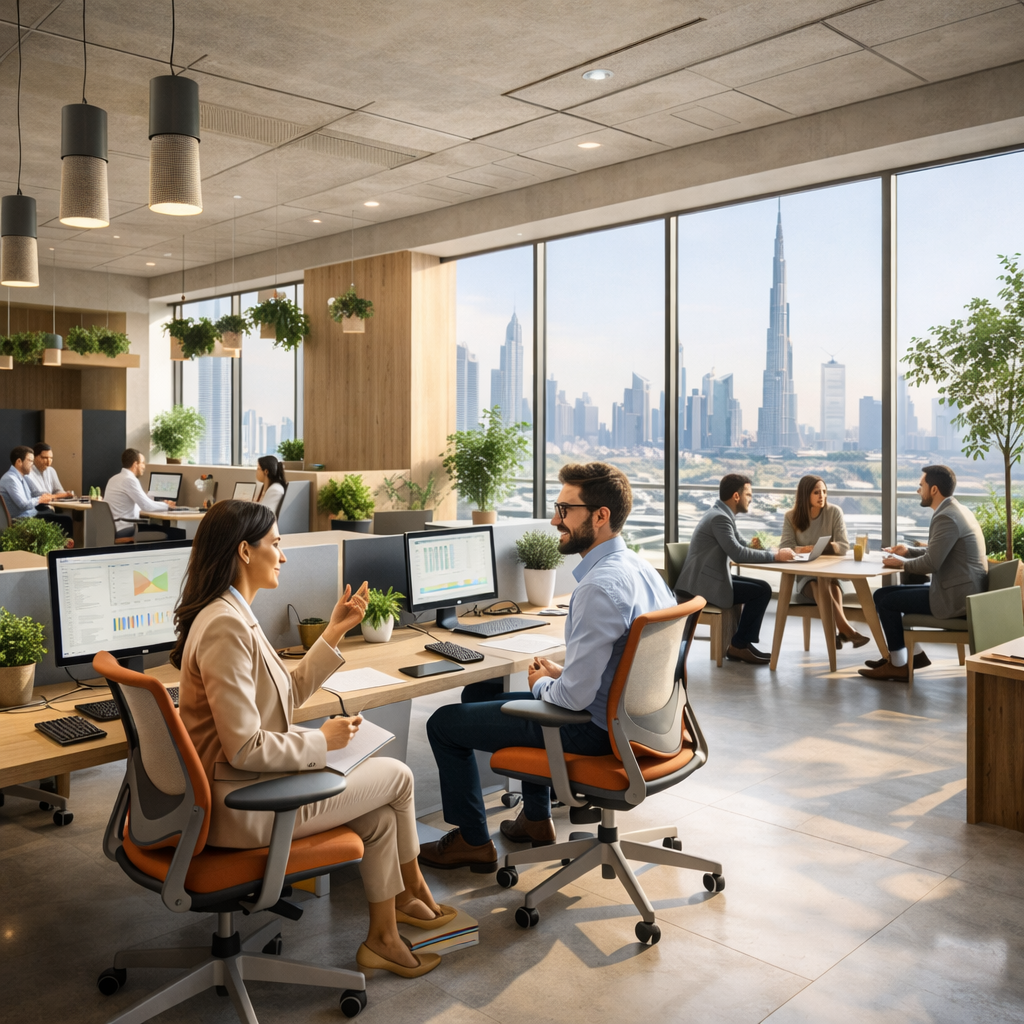
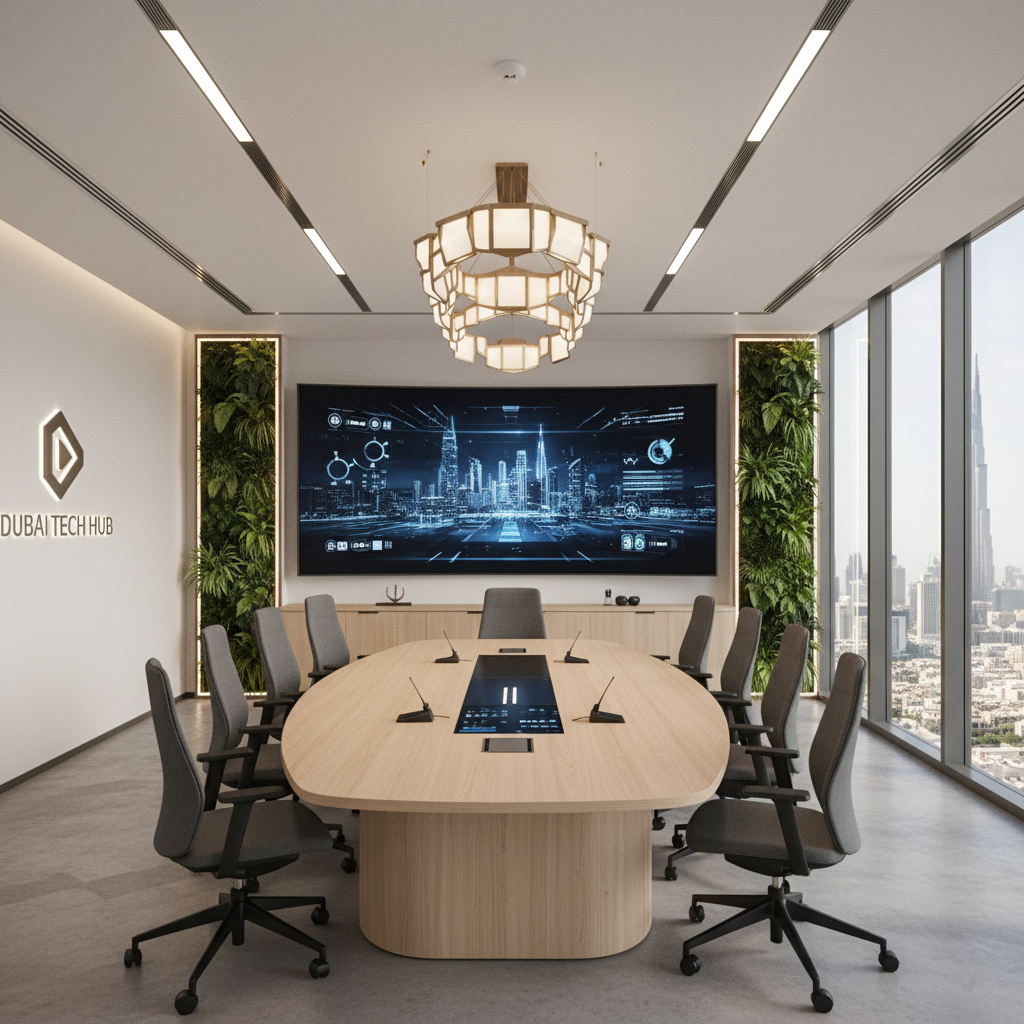
Eco-friendly design in business involves creating sustainable commercial spaces that promote employee well-being, reduce environmental impact, and enhance corporate branding. This can include using sustainable materials, implementing energy-efficient lighting and HVAC systems, and incorporating biophilic design elements.
Sustainable Approaches in Retail and Hospitality
Sustainable approaches in retail and hospitality involve creating eco-friendly spaces that attract customers, reduce operating costs, and enhance brand reputation. This can include using sustainable materials, implementing water-saving fixtures, and incorporating green walls and indoor plants.
The Role of Sustainability in Corporate Branding
Sustainability plays an increasingly important role in corporate branding. Companies that prioritize sustainability are viewed more favourably by consumers and are better positioned to attract and retain employees. Eco-friendly design can be an effective way to communicate a company’s commitment to environmental responsibility.
Future Trends and Materials in Sustainable Design
Emerging Eco-Friendly Materials and Products
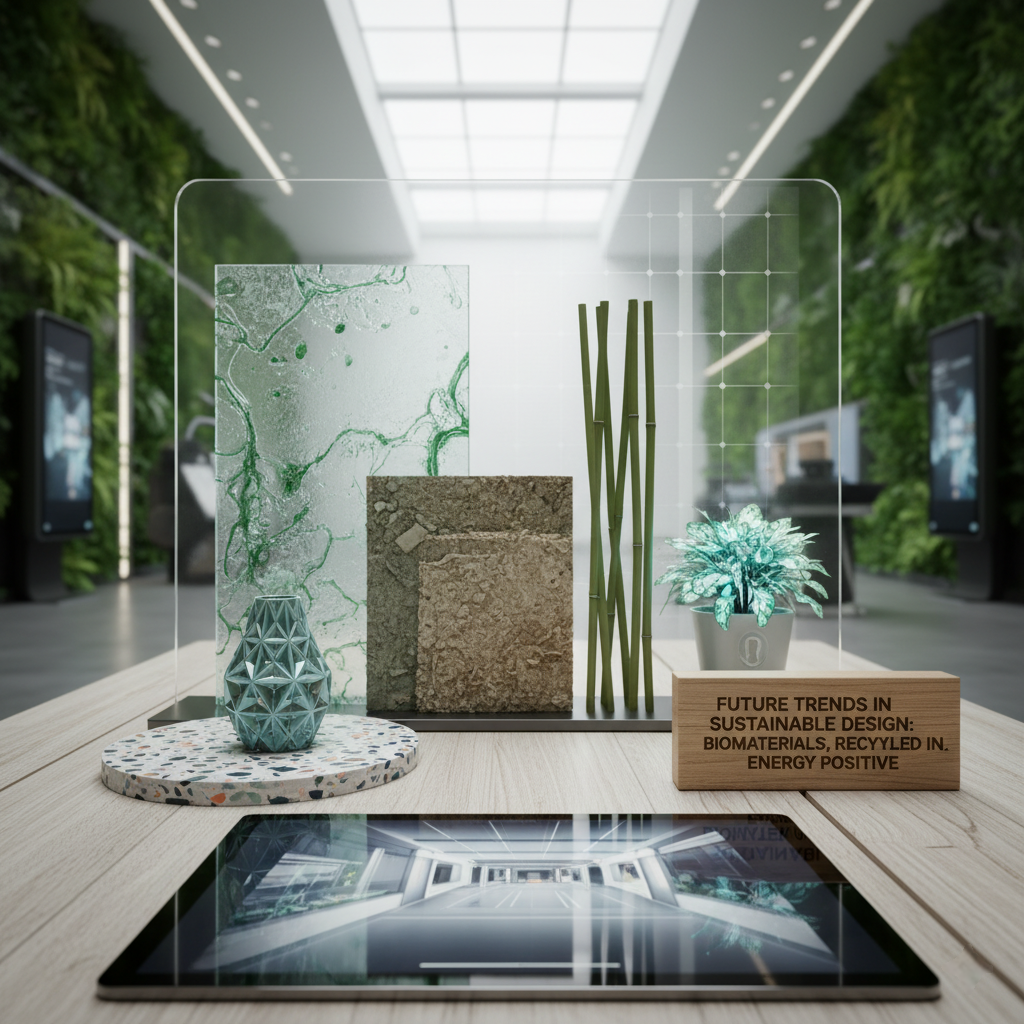
Emerging eco-friendly materials and products are constantly being developed, offering new and innovative ways to create sustainable spaces. These include materials made from recycled plastics, agricultural waste, and other renewable resources.
Anticipating Future Design Innovations
Anticipating future design innovations involves staying informed about the latest trends and technologies in sustainable design. This includes exploring new ways to reduce energy consumption, minimize waste, and create healthier indoor environments.
Social and Community Benefits of Eco-Friendly Design
Enhancing Community Well-being
Eco-friendly design can enhance community well-being by creating healthier, more sustainable living environments. This can include improving air quality, reducing noise pollution, and promoting access to green spaces.
Supporting Local Industries and Crafts
Supporting local industries and crafts is an important aspect of sustainable interior design. By sourcing materials and products locally, you can reduce transportation emissions and support local economies.
The Environmental Legacy of Sustainable Interior Design
Long-Term Benefits for the Environment
The long-term benefits of sustainable interior design for the environment are significant. By reducing energy consumption, minimizing waste, and using renewable resources, sustainable design can help to mitigate climate change and protect natural resources.
Dubai’s Role in Global Sustainability Efforts
Dubai plays a key role in global sustainability efforts. The city’s commitment to sustainable development and innovative design is helping to drive the adoption of eco-friendly practices around the world.
Trends: Sustainability, Smart Homes, Biophilic Living, and Minimalist Luxury
Sustainability is at the Heart of Design
Sustainable interiors are no longer optional; they are essential. Use of natural materials like reclaimed wood, stone, and bamboo is rising, alongside eco-friendly finishes that reduce environmental impact. Energy efficient lighting and renewable energy systems are standard features.
Smart Homes Bring Effortless Living
Intelligent home automation has become a foundation of luxury design. From voice controlled lighting to climate control and security, smart systems create convenience without disrupting the style of a space.
Biophilic Design Connects Us to Nature
Bringing nature indoors boosts wellbeing and tranquillity. Biophilic Design incorporates plants, natural light, water elements, and organic textures like wood and stone to create soothing environments.
Minimalist Luxury Defines Modern Elegance
Minimalism with a touch of luxury focuses on simplicity, high quality, and timeless appeal. Spaces feel open, clean, and inviting through uncluttered layouts, bespoke furniture, and soft neutral tones.
How Can Property Owners Embrace These Trends?
Property owners can embrace these trends by choosing sustainable, durable materials and energy efficient products; working with interior designers skilled in smart home technology integration; adding greenery and natural elements for a calming atmosphere; and keeping designs clean, functional, and luxurious with minimal clutter.
Why These Trends Matter for Dubai
Dubai’s fast-paced growth and cosmopolitan culture demand interiors that are not only beautiful but responsible and smart. The climate, lifestyle, and desire for wellness push these trends to the forefront for both new builds and renovations.
Finding the Right Interior Design Company in Dubai for Your Budget
Luxury Interior Design for High-End Budgets
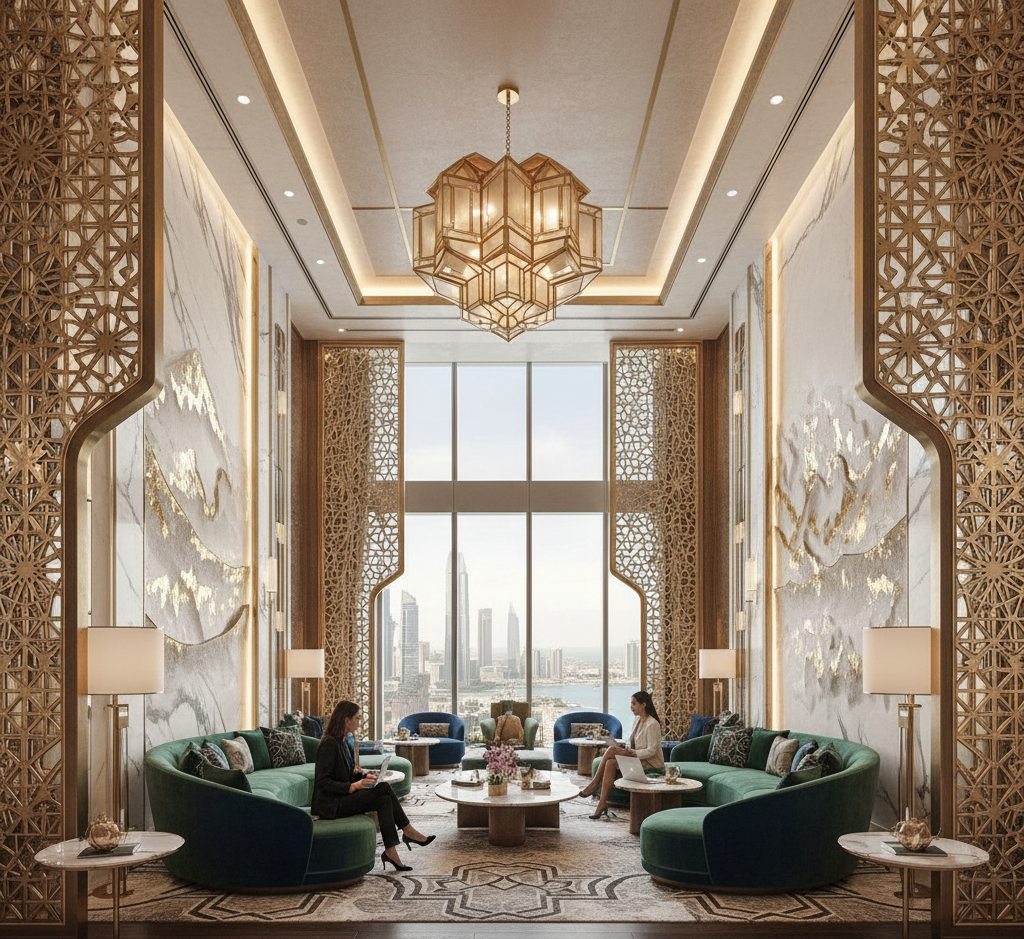
For those who seek extravagant aesthetics and top-tier craftsmanship, Dubai offers world-class design firms specializing in ultra-luxury interiors. These firms prioritize custom furniture, premium materials, and cutting-edge technology to create unparalleled living experiences.
Mid-Range Interior Design for Stylish Affordability
Dubai is home to several mid-range interior design companies that balance aesthetics with cost-effectiveness. These firms provide high-quality materials and modern designs while optimizing budgets through strategic sourcing and efficient project management.
Budget-Friendly Interior Design Solutions
If you’re looking for affordable interior design services, Dubai offers a range of budget-friendly firms that specialize in cost-conscious transformations. By leveraging modular furniture, multi-purpose spaces, and locally sourced materials, these companies deliver impressive results without breaking the bank.
Challenges of Eco-Friendly Interior Design in Dubai
Implementing eco-friendly interior design in Dubai can present challenges. These include the potentially higher upfront cost of sustainable materials, the limited availability of some eco-friendly products locally, and longer sourcing times for specific finishes or furniture. However, the long-term benefits—reduced bills, healthier homes, and increased property value—make it worthwhile.
Conclusion
In conclusion, sustainable interior design Dubai ideas are transforming modern spaces by seamlessly blending luxury with environmental responsibility. The integration of eco-friendly materials, energy-efficient lighting, and natural light optimization enhances both the aesthetic appeal and functionality of residential, commercial, and hospitality spaces. By prioritizing resource conservation and minimal environmental impact, Dubai is paving the way for a greener future. Embracing innovative techniques and solutions like biophilic design and smart home technology ensures that interior design not only meets the needs of today but also contributes to a healthier and more sustainable tomorrow. These trends are essential for Dubai’s continued growth and cosmopolitan culture, demanding interiors that are beautiful, responsible, and smart.
FAQs
What are the main principles of eco-friendly interior design for Dubai homes?
The main principles of eco-friendly interior design for Dubai homes include maximizing natural light, choosing sustainable materials suited to Dubai’s climate, incorporating water-saving fixtures, adding indoor plants for air quality, and selecting responsibly sourced furniture that lasts for years.
Are eco-friendly materials more expensive than traditional options?
While some eco-friendly materials may have a higher upfront cost, they often provide better long-term value through durability and energy savings.
Can I implement these ideas gradually?
Yes, you can implement these ideas gradually. Start with high-impact changes like lighting and plants, then gradually upgrade fixtures and furniture.
Will eco-friendly design limit my style options?
No, modern sustainable design offers extensive style options supporting virtually any aesthetic preference.